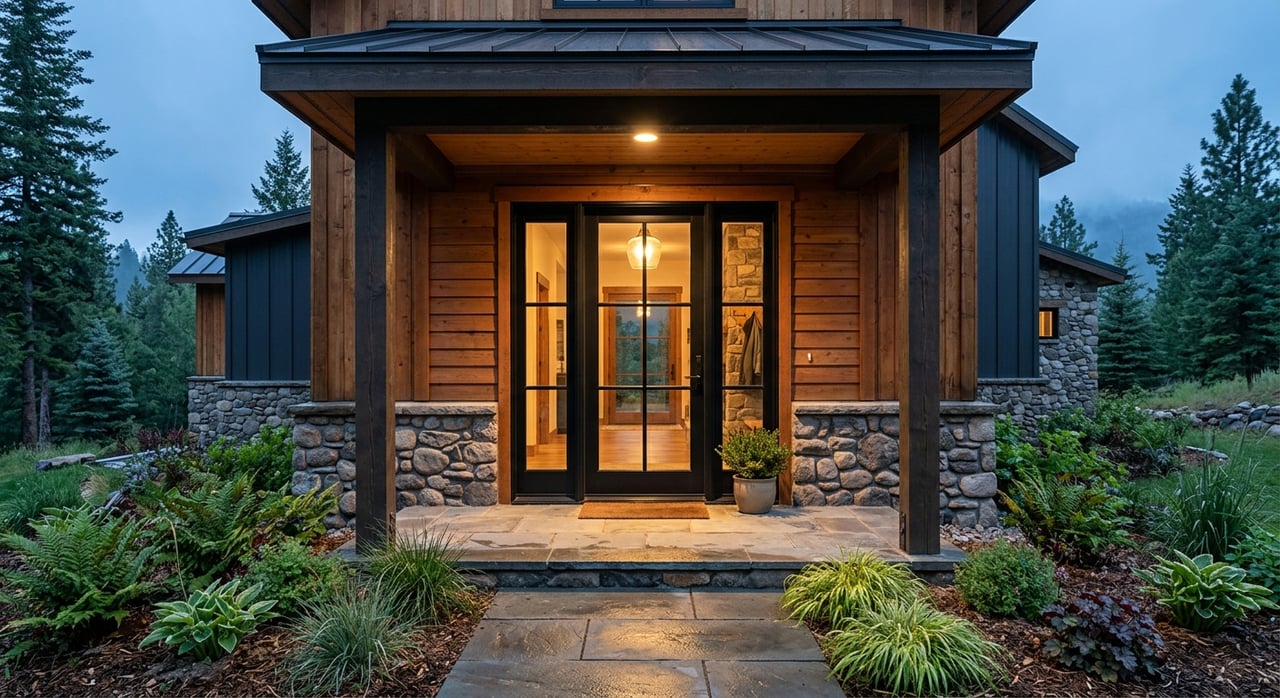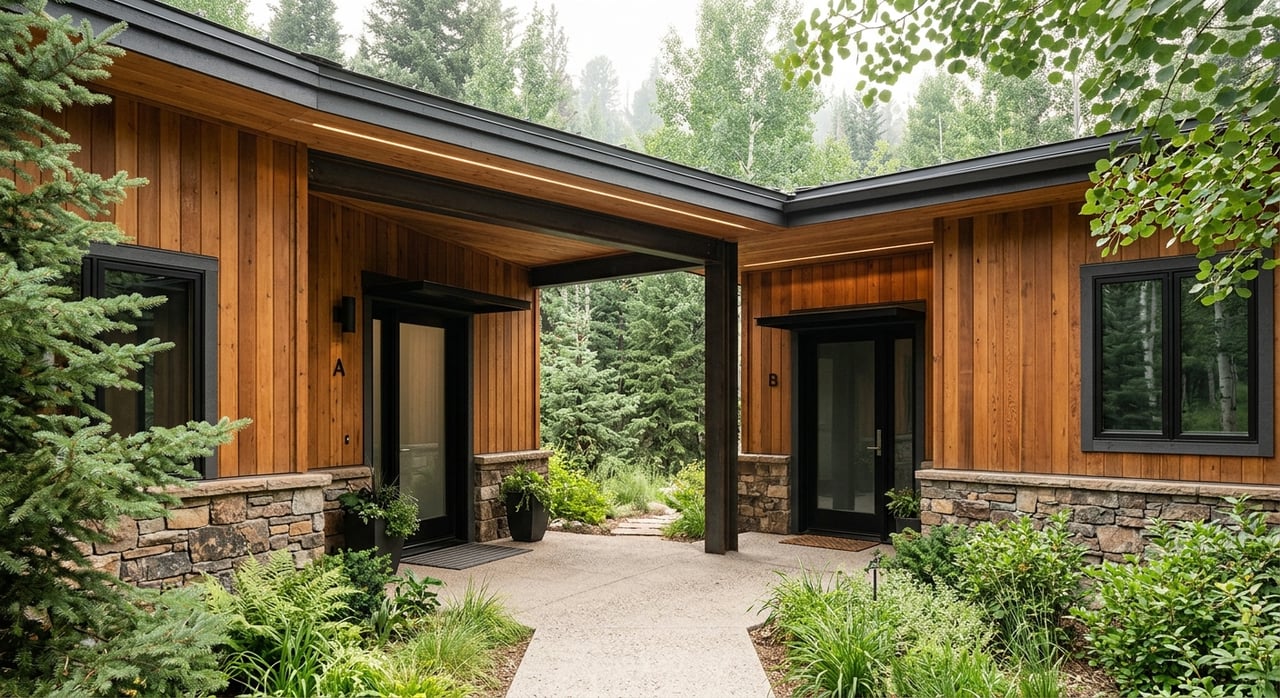
Thinking about buying a vacation rental in Big Sky? The opportunity can look exciting at first glance, with strong tourism demand, high nightly rates, and year-round appeal. But in Big Sky, a profitable short-term rental is not just about finding a beautiful property. You also need to understand zoning, licensing, taxes, HOA rules, and the reality of seasonal income swings. This guide will help you sort through the rules, income potential, and key risks so you can make a more confident decision. Let’s dive in.
Why Big Sky Is Different
Big Sky is not a typical Montana rental market. It sits in Gallatin County and within the Big Sky Resort Area District, which is a special-purpose local government in Big Sky and one of Montana’s resort-tax communities.
That matters because demand here is closely tied to tourism. Big Sky Resort reports 5,850 skiable acres and about 400 inches of annual snowfall, with peak winter visitation around Christmas, New Year’s, and holiday weekends in January and February. Summer is also a popular season, especially from late June through August, while spring and fall tend to be quieter.
Big Sky is also a small community relative to the number of visitors it serves. Visit Big Sky says the year-round population is about 2,500, rising to roughly 3,000 to 4,000 in summer and winter. That gap helps explain why vacation rentals play such a visible role in the local lodging mix.
Big Sky Vacation Rental Rules
If you are considering a short-term rental in Big Sky, the first question is simple: is the property actually allowed to operate that way? You should verify that before you estimate income or compare nightly rates.
Zoning Comes First
Gallatin County defines a short-term rental as a dwelling unit rented for lodging for less than 30 consecutive days. In the Gallatin Canyon and Big Sky zoning regulations, short-term rentals are permitted in specific subdistricts only.
Those listed districts include R-MF 3500, R-MH 6000, R-MF 6500, R-SF 7500, R-SF 11000, RC-SF, C-I, CC, TCC, TCR, R-B, and R. If a district does not specifically mention short-term rentals, Gallatin County says they are not permitted there.
This is one reason buyers should not treat Big Sky like one uniform market. In unzoned areas outside the zoned Big Sky districts, Gallatin County notes there is no zoning restriction on short-term rental use from a planning standpoint, but health permitting still applies.
Use Limits Matter
Even where short-term rentals are allowed, the county places limits on how they can be used. Overnight lodging must occur inside the dwelling unit, and using a short-term rental for purposes other than lodging is prohibited.
That means a property cannot simply be marketed however an owner wants. Gallatin County specifically says advertising weddings, concerts, fundraisers, or similar events at a short-term rental can be evidence of a violation.
Health Licensing Is Separate
Zoning approval is only part of the picture. The Gallatin City-County Health Department says the Montana Department of Public Health and Human Services licenses public accommodations, including tourist homes and rentals, while the local health department performs inspections.
These licenses are owner-specific and site-specific. A new facility or major remodel may also require a plan review or pre-opening inspection. If you buy a property with plans to operate it as a vacation rental, you should confirm what licensing steps apply to that exact property and ownership structure.
Taxes Are Part of the Operating Model
Montana’s Department of Revenue says overnight lodging is subject to an 8% lodging facility sales and use tax, filed quarterly. The same guidance says lodging rentals of 30 consecutive days or more are exempt from that tax.
Within the Big Sky Resort Area District boundary, owners must also collect the 4% resort tax on taxable lodging. The district requires all short-term vacation rental owners to complete annual registration.
It is also important to know what counts as taxable. According to the district, cleaning fees, hot tub fees, and service charges passed through to guests are taxable. If you are building a pro forma, those details can affect your actual net income.
HOA Rules Can Be Stricter
County zoning is not the only authority that matters. HOA covenants and recorded restrictions can be more restrictive than local zoning, and they run with the land.
For example, the Big Sky Owners Association’s Sweetgrass Hills resolution says new short-term rental use is prohibited unless it already existed before the amendment. Grandfathered owners must register annually, pay a fee, follow occupancy limits, and comply with parking restrictions.
In plain terms, a property may look suitable on paper, but the HOA documents can still limit or block your plans. That is why reviewing covenants is such an important part of due diligence in Big Sky.
Income Potential in Big Sky
The income side of the equation can be attractive. According to AirDNA’s current Big Sky market snapshot, the market includes 1,413 properties with estimated average annual revenue of about $76,500, average occupancy of 54%, an average daily rate of about $1,000, and RevPAR of $518.70.
Those numbers help explain why buyers continue to look at Big Sky for second-home and investment opportunities. But they should be treated as market-wide estimates, not a guarantee for any single property.
Property Type Affects Performance
AirDNA reports that about 98% of Big Sky’s short-term rental inventory is made up of entire homes. It also shows that 3-bedroom and 4-bedroom units make up the largest shares of supply.
That suggests property fit matters. Layout, bedroom count, location, and guest appeal can influence how a home competes in a market where entire-home rentals dominate.
Professional Management Is Common
Big Sky appears to be a management-heavy market. In a local economic profile, the Big Sky Resort Area District estimated that about 750 rental properties were managed by companies, while about 250 were facilitated by owners themselves.
For many buyers, that means the realistic operating model may include a professional manager rather than a self-managed setup. That can make ownership more hands-off, but it also affects expenses and net returns.
Seasonality Is Real
One of the most important things to understand about Big Sky income is that it is usually not spread evenly across the year. The resort area’s profile says the first quarter is the peak season, while the second quarter is the slowest.
That aligns with the broader tourism pattern in Big Sky. Winter is the busiest season, summer is also active, and spring and fall are quieter shoulder seasons. If you are underwriting a purchase, conservative assumptions for slower months are essential.
Main Risks Buyers Should Underwrite
Strong revenue potential does not erase the risks. In Big Sky, some of the biggest risks are regulatory, compliance-related, and seasonal.
Regulatory Risk
Rules can change over time. HOA covenants can be amended, and county zoning only permits short-term rentals in certain districts.
A buyer should not assume that because a property operates as a vacation rental today, it will stay unrestricted forever. Big Sky covenant documents explicitly bind future owners, which makes document review especially important before you buy.
Compliance Risk
Operating rules matter just as much as permission to rent. Big Sky’s zoning regulations prohibit using short-term rentals for non-lodging events, and Gallatin County says repeated unresolved violations can lead to enforcement remedies, including fines or revocation of a conditional use permit where applicable.
In other words, compliance is not a minor detail. It is a core part of protecting your investment.
Revenue Volatility
Big Sky’s income potential can be strong, but it can also be uneven. Winter demand is powerful, while shoulder seasons are softer.
That means your annual revenue may depend heavily on a relatively limited number of high-demand periods. Buyers should budget conservatively for low-season occupancy, weather swings, and changes in travel patterns.
Short-Term vs. 30-Plus-Day Rental Strategy
If a property cannot support a compliant short-term rental plan, a longer rental term may still be worth evaluating. Montana’s Department of Revenue says rentals of 30 consecutive days or more are exempt from the state lodging tax.
The research also notes that 30-plus-day rentals may avoid the Big Sky resort tax, but that model changes the way the property performs. You may lose some nightly-rate upside, yet gain a simpler operating structure.
For some buyers, that tradeoff can make sense. The right answer depends on the property, the rules that apply to it, and your tolerance for seasonality and hands-on management.
What Smart Big Sky Buyers Review First
Before you buy a Big Sky vacation rental, focus on whether the property supports a fully compliant operating plan. That usually means reviewing more than just listing photos and projected revenue.
A practical checklist includes:
- Confirm the zoning district and whether short-term rentals are a permitted use
- Review HOA covenants, amendments, and any rental restrictions
- Verify health licensing requirements for the property and ownership setup
- Understand the 8% state lodging tax and the 4% Big Sky resort tax if applicable
- Account for taxable charges such as cleaning fees, hot tub fees, and service charges
- Underwrite for peak and shoulder seasons separately
- Decide whether professional management is part of your plan
In Big Sky, the best question is not simply, “Can this property make money?” It is, “Can this property operate legally, predictably, and profitably under the rules that apply to it?”
If you are exploring Big Sky as a second-home or investment market, local guidance can help you narrow the field quickly and avoid expensive assumptions. When you are ready to talk through property fit, diligence, and the realities of resort-market ownership, reach out to Tawnya Storm for a free consultation.
FAQs
What counts as a short-term rental in Big Sky?
- Gallatin County defines a short-term rental as a dwelling unit rented for lodging for less than 30 consecutive days.
Are short-term rentals allowed everywhere in Big Sky?
- No. In the Gallatin Canyon and Big Sky zoning regulations, short-term rentals are permitted only in certain listed subdistricts. If a district does not mention them, Gallatin County says they are not permitted there.
Do Big Sky vacation rentals need a license?
- Yes, public accommodations such as tourist homes and rentals are licensed through the Montana Department of Public Health and Human Services, and the Gallatin City-County Health Department handles inspections.
What taxes apply to a Big Sky vacation rental?
- Overnight lodging is subject to Montana’s 8% lodging facility sales and use tax, and properties within the Big Sky Resort Area District must also collect the 4% resort tax on taxable lodging.
Are cleaning fees taxable for Big Sky short-term rentals?
- Yes. The Big Sky Resort Area District states that cleaning fees, hot tub fees, and service charges passed through to guests are taxable.
Can an HOA prohibit short-term rentals in Big Sky?
- Yes. HOA covenants can be stricter than county zoning, and recorded restrictions run with the land.
Is Big Sky a seasonal vacation rental market?
- Yes. Winter is the busiest season, summer is also active, and spring and fall are generally quieter shoulder seasons.
Can a 30-plus-day rental change the tax picture in Big Sky?
- Yes. Montana’s Department of Revenue says lodging rentals of 30 consecutive days or more are exempt from the state lodging tax, which can make a mid-term or longer-term rental strategy worth considering in some cases.