If you are comparing Downtown Bozeman to the rest of Bozeman, it can be easy to assume you are looking at one market with a few different price points. In reality, you are looking at two very different buying and selling environments. Understanding how pricing, inventory, and property type change from the downtown core to the broader city can help you make a smarter move. Let’s dive in.
Downtown Bozeman at a Glance
Downtown Bozeman is the city’s traditional core. The City of Bozeman’s planning documents describe it as a walkable, mixed-use area centered around Main Street, civic spaces, and historic character.
That matters because the built environment shapes the housing market. Downtown is not just a smaller version of Bozeman. It is a distinct submarket with its own pricing patterns, inventory limits, and buyer appeal.
Bozeman at a Glance
Broader Bozeman offers a much wider mix of housing and neighborhood settings. Instead of one concentrated core, you have a larger market with many submarkets, different price bands, and more detached-home options.
That variety gives buyers and sellers more room to compare options. It also means citywide numbers only tell part of the story, since one neighborhood can behave very differently from another.
Price Differences Between Downtown and Bozeman
The biggest difference is pricing. Zillow shows Downtown Bozeman with a typical home value of $969,452 as of May 31, 2026, while broader Bozeman sits at $732,988.
That puts Downtown at roughly 32% higher than the citywide typical value. For buyers, that premium reflects scarcity, location, and the type of housing available in the core.
Realtor.com adds another useful layer through ZIP code 59715, which can serve as a core-area proxy. In May 2026, 59715 posted a median listing price of $1,212,500 and a median listing price per square foot of $527.
By comparison, citywide Bozeman had a median listing price per square foot of $408. That means the core area was about 29% higher per square foot and about 40% higher in median listing price than Bozeman overall.
Inventory Tells a Different Story
Downtown is also much tighter on supply. Zillow shows only 15 homes for sale in Downtown Bozeman, compared with 416 homes for sale in broader Bozeman.
That gap is one of the clearest reasons the two markets feel so different. In a thinner-supply submarket, each listing can draw stronger attention because buyers simply have fewer comparable options.
On the broader market side, Realtor.com reported 840 active listings in Bozeman in May 2026. That larger inventory pool gives buyers more room to compare price, location, lot size, and property style before deciding.
Market Pace and Negotiation Can Vary
The broader Bozeman market appears more negotiable right now. Realtor.com classifies Bozeman as a buyer’s market in May 2026, with a median of 51 days on market and a 96% sale-to-list ratio.
Downtown data points to a different feel, though the metrics are not exactly the same. Zillow reports that Downtown homes go pending in around 23 days, which suggests the core can still move quickly when the right property hits the market.
It is important not to compare those two timing metrics as exact equivalents. Still, taken together, they support the idea that Downtown remains a scarce, high-demand segment even while the broader city gives buyers more negotiating room.
Property Types Shape the Market
Downtown Bozeman is not just more expensive. It is also built differently.
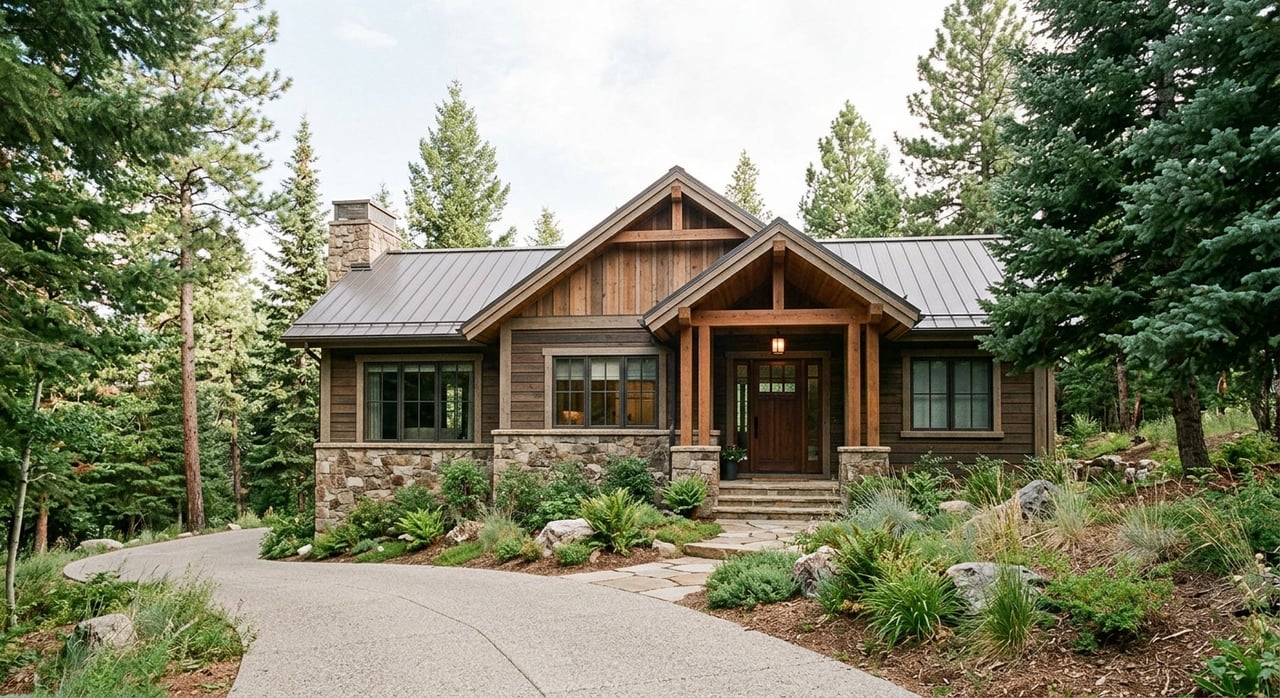
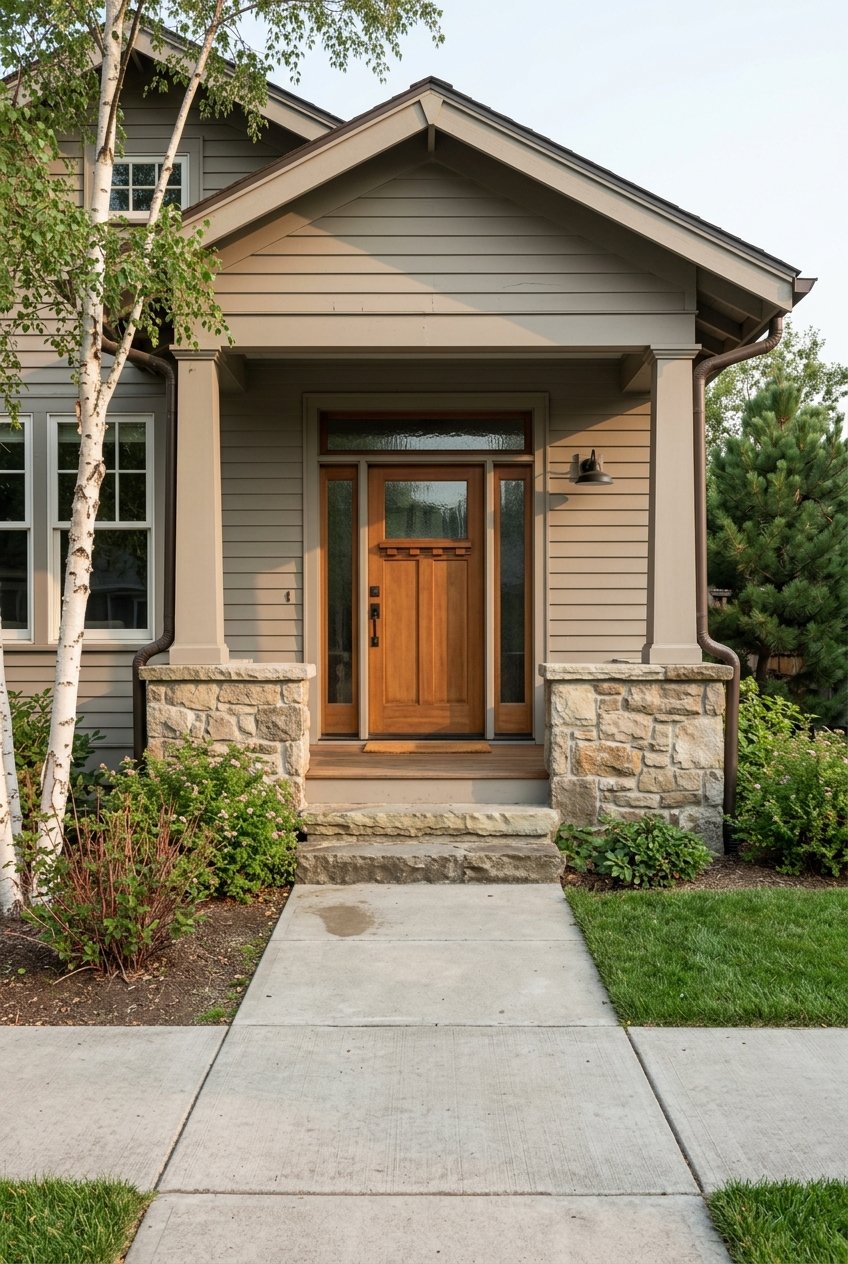
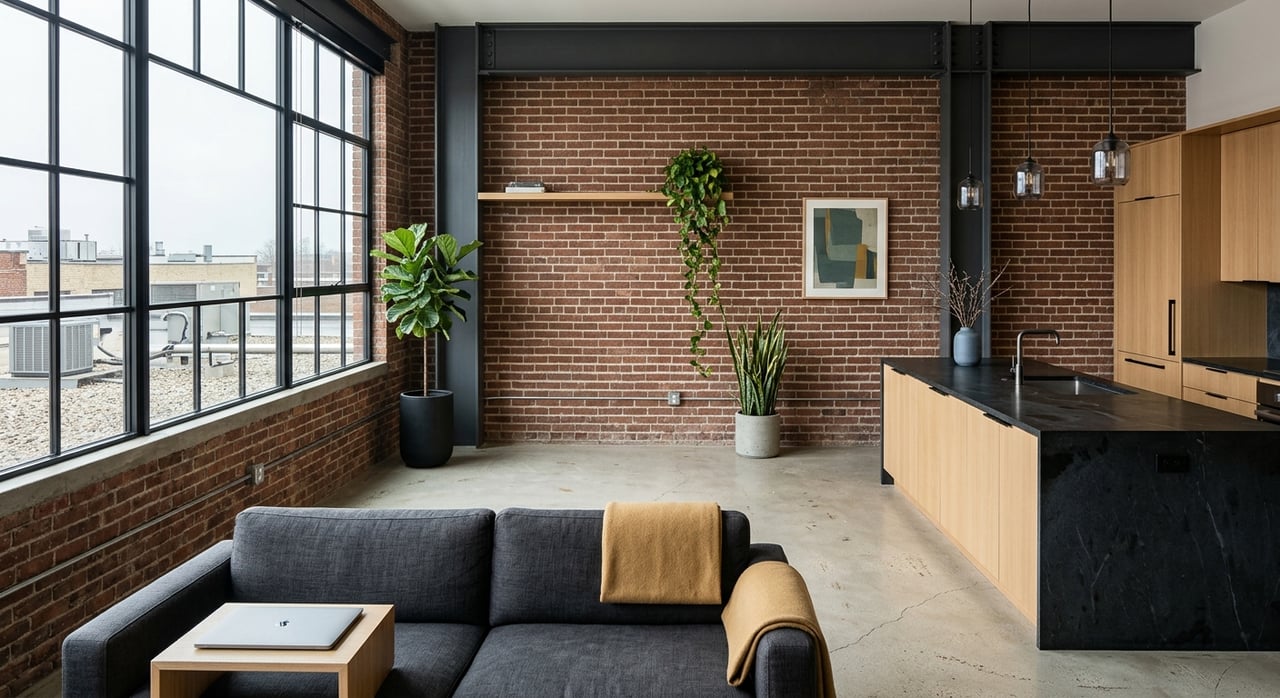
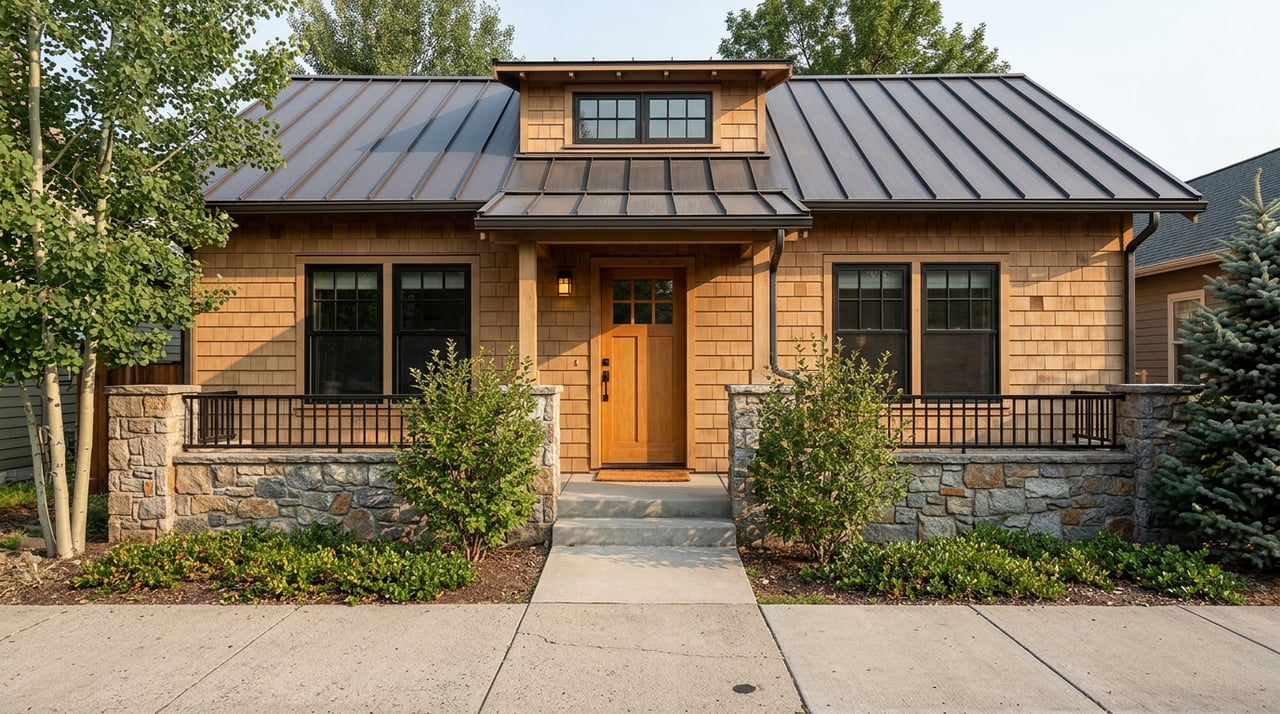
City planning documents describe Downtown as intensely mixed-use, pedestrian-friendly, and focused on infill or redevelopment. Current downtown listings reflect that pattern, with a heavy share of condos, townhouses, and new-construction units, plus fewer detached homes in the active mix.
That creates a very different experience from shopping the broader Bozeman market. If you want lower-maintenance living, attached housing, or a home close to shops, dining, and civic spaces, Downtown may line up well with your goals.
Broader Bozeman offers more variation. Across the city, you will see a wider range of single-family homes, lot sizes, neighborhood layouts, and pricing tiers.
Bozeman Is Not One Uniform Market
One of the most important takeaways is that “Bozeman” is not a single, predictable market. Realtor.com’s neighborhood breakdown shows a wide spread, from North East at $1,372,500 to Bozeman Ponds at $437,000.
There are also supply differences within the city itself. Realtor.com reports that Midtown had only one home for sale but 44 rentals, which shows how sharply one area can differ from another.
So when people ask whether Bozeman is expensive, competitive, or negotiable, the real answer is: it depends on where you are looking. Downtown simply sits at the premium, lower-supply end of that wider spectrum.
What Buyers Should Know
If you are buying in Downtown Bozeman, expect a more focused search. You may need to move quickly, stay flexible on property type, and get comfortable paying more per square foot for a central location.
That does not mean Downtown is better or worse than the rest of Bozeman. It just means the value equation is different. You are often trading a larger lot or detached-home options for walkability, convenience, and core location.
If you are buying in broader Bozeman, patience may pay off. With more inventory and a bigger spread of prices, you can compare neighborhoods, home styles, and budgets more carefully.
For many buyers, the real question is not just price. It is whether you want the downtown lifestyle or a broader set of housing choices elsewhere in the city.
What Sellers Should Know
If you are selling a downtown property, pricing strategy matters because inventory is so limited. In a small submarket, a handful of comparable listings or recent sales can have an outsized effect on how buyers see value.
That means preparation and positioning are especially important. Buyers in the downtown segment are often comparing a small number of options very closely, including price per square foot, condition, and maintenance level.
If you are selling outside Downtown, neighborhood context becomes even more important. Broader Bozeman contains multiple submarkets, and pricing a home based only on citywide averages can miss what is happening in your immediate area.
A seller in a newer subdivision, for example, may face a different pool of competing listings than someone with an infill home or a property on the edge of town. That is why a neighborhood-first pricing approach matters in Bozeman.
Affordability Still Matters Across the Market
The Gallatin Valley Housing Report found that Bozeman was the least affordable of the incorporated communities it compared. It also reported that the median-earning household in Gallatin County could cover only about 39% of the payment on a median-priced home.
That context helps explain why buyers tend to weigh tradeoffs so carefully. In a market where affordability is stretched, choices about location, home type, and maintenance needs become even more important.
The same report noted that cash purchases made up nearly 32% of single-family sales in 2023. That is another reminder that buyers and sellers may be operating with very different financial strategies depending on the property and location.
The Bottom Line on Downtown vs Bozeman
Downtown Bozeman is best understood as a scarce, higher-valued, mostly attached and mixed-use submarket. It offers a walkable core location, but it also comes with thinner inventory and a clear price premium.
Bozeman overall is a larger, more varied market with more listings, more detached-home options, and a broader range of price points. It may offer more room to compare and negotiate, but it also requires a more neighborhood-specific lens.
If you are trying to decide where you fit, the answer usually comes down to your priorities. Do you want walkability and low-maintenance living, or more space and a wider set of choices across the city?
If you want help comparing Downtown Bozeman with the broader Bozeman market, Tawnya Storm offers a neighborhood-first, consultative approach that can help you weigh your options with clarity.
FAQs
How is Downtown Bozeman different from the rest of Bozeman?
- Downtown Bozeman is a smaller, walkable, mixed-use submarket with higher prices, lower inventory, and more condos and townhomes, while broader Bozeman has more listings, more detached homes, and a wider price range.
Is Downtown Bozeman more expensive than Bozeman overall?
- Yes. Zillow shows Downtown Bozeman with a typical home value of $969,452 compared with $732,988 for broader Bozeman, which is about a 32% premium.
Are there fewer homes for sale in Downtown Bozeman?
- Yes. Zillow reported 15 homes for sale in Downtown Bozeman versus 416 homes for sale in broader Bozeman, showing how limited downtown inventory is.
What types of homes are common in Downtown Bozeman?
- Downtown listings are more heavily weighted toward condos, townhouses, and new-construction units, which fits the area’s infill and mixed-use development pattern.
Is the broader Bozeman market easier for buyers right now?
- Broadly, yes. Realtor.com classified Bozeman as a buyer’s market in May 2026, with 840 active listings, 51 median days on market, and a 96% sale-to-list ratio.
What should sellers know about pricing in Bozeman neighborhoods?
- Sellers should know that Bozeman is not one uniform market. Downtown’s limited inventory can magnify pricing shifts, while broader Bozeman requires neighborhood-specific pricing because conditions vary widely by area.