Thinking about a home where you can walk to coffee, dinner, and a show, all on the same block? If you love an active street scene and quick access to services, Downtown Bozeman’s Main Street may fit you well. You will get a small-city feel, a strong sense of place, and a lifestyle where your front door opens to everyday convenience. In this guide, you’ll learn what daily life looks like on Main Street, the types of homes you’ll find, how getting around works, and the key tradeoffs to weigh. Let’s dive in.
What downtown Bozeman feels like
Day to night on Main Street
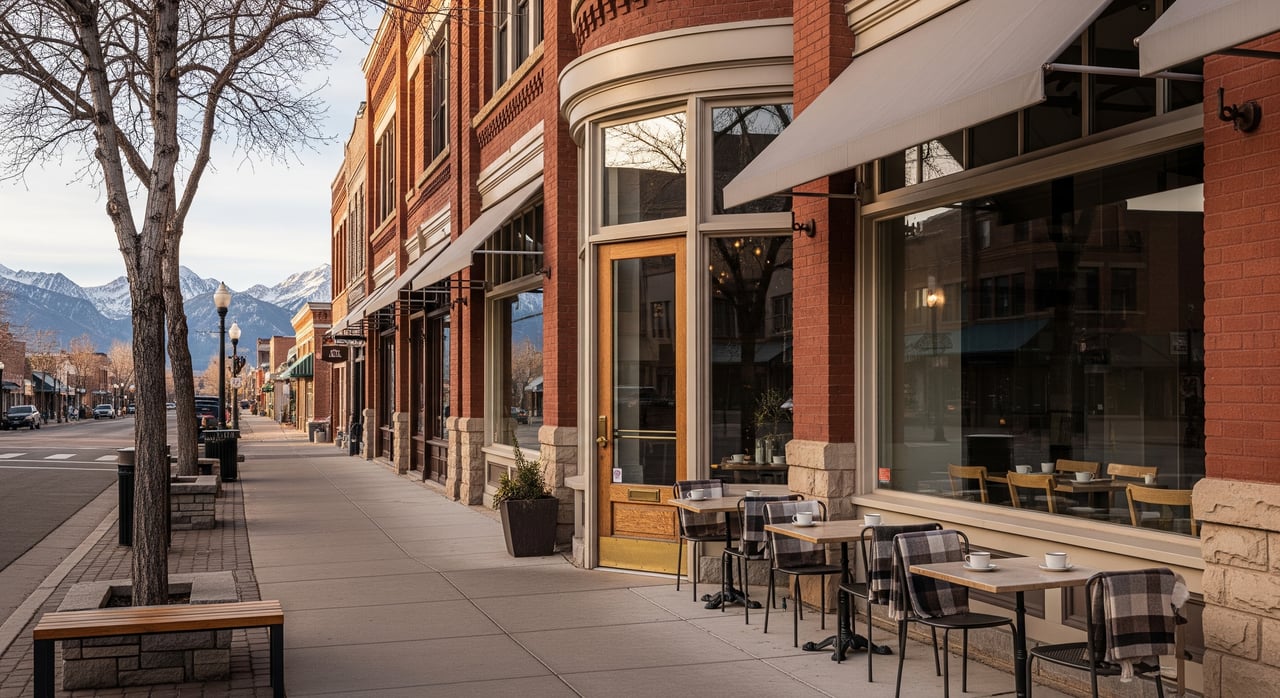
During the day, Main Street hums with shoppers, office workers, students, and locals running errands. Boutiques, coffee shops, and professional services keep a steady rhythm. Evenings and weekends bring more energy, as restaurants, breweries, and cultural venues fill up. Peak tourist season from late spring into early fall is busier, while winter quiets the sidewalks and shifts more activity indoors.
The setting and scale
Downtown is compact and very walkable, with historic low-rise blocks alongside newer mid-rise infill. It is higher density than suburban Bozeman but small compared with big-city downtowns. Montana State University sits a short trip away and adds year-round activity, events, and a youthful pulse.
Housing options near Main Street
Condos and lofts
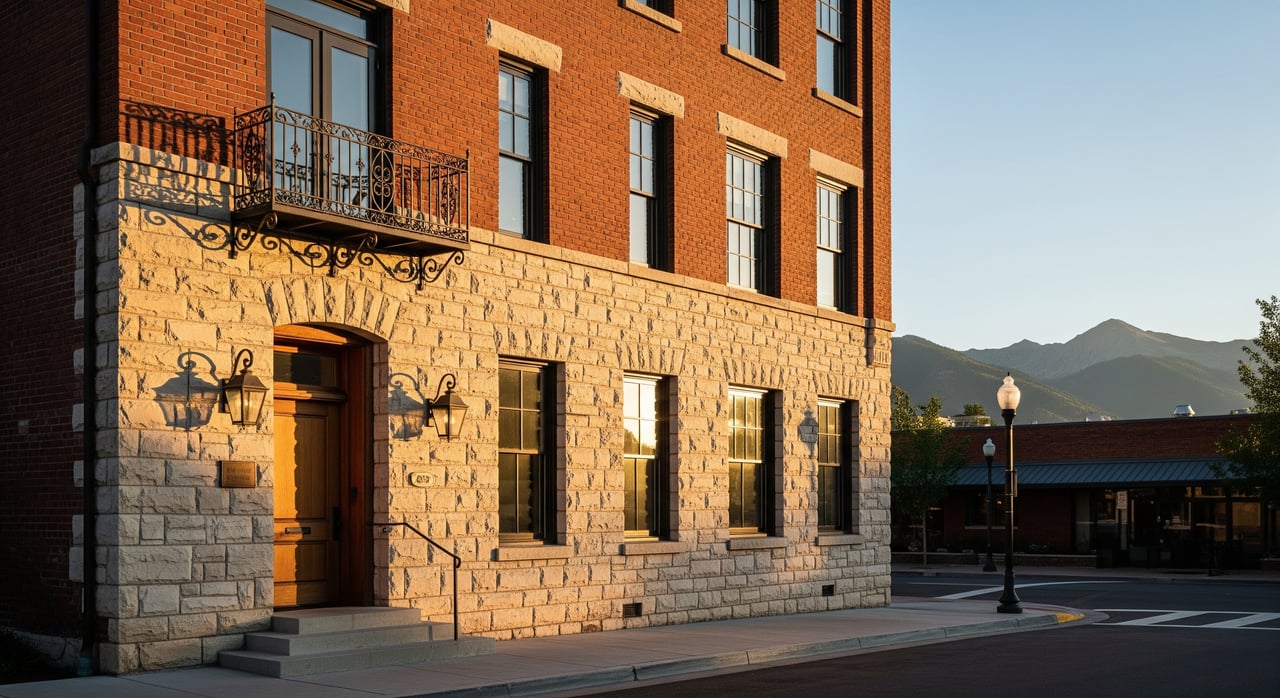
You will find many condominiums and lofts in either converted historic buildings or newer mixed-use projects. These appeal if you want low-maintenance living in the heart of things. Units often have a premium price per square foot compared with suburban homes, and they can run smaller. Ask about homeowners association rules, building systems, and any parking provisions before you decide.
Apartments and rentals
Walk-up and mid-rise apartment buildings make up a large share of downtown housing. These attract renters, students, and professionals who prioritize location. Inventory can be tight in popular buildings, so timing and preparation matter when a good unit hits the market.
Single-family homes nearby
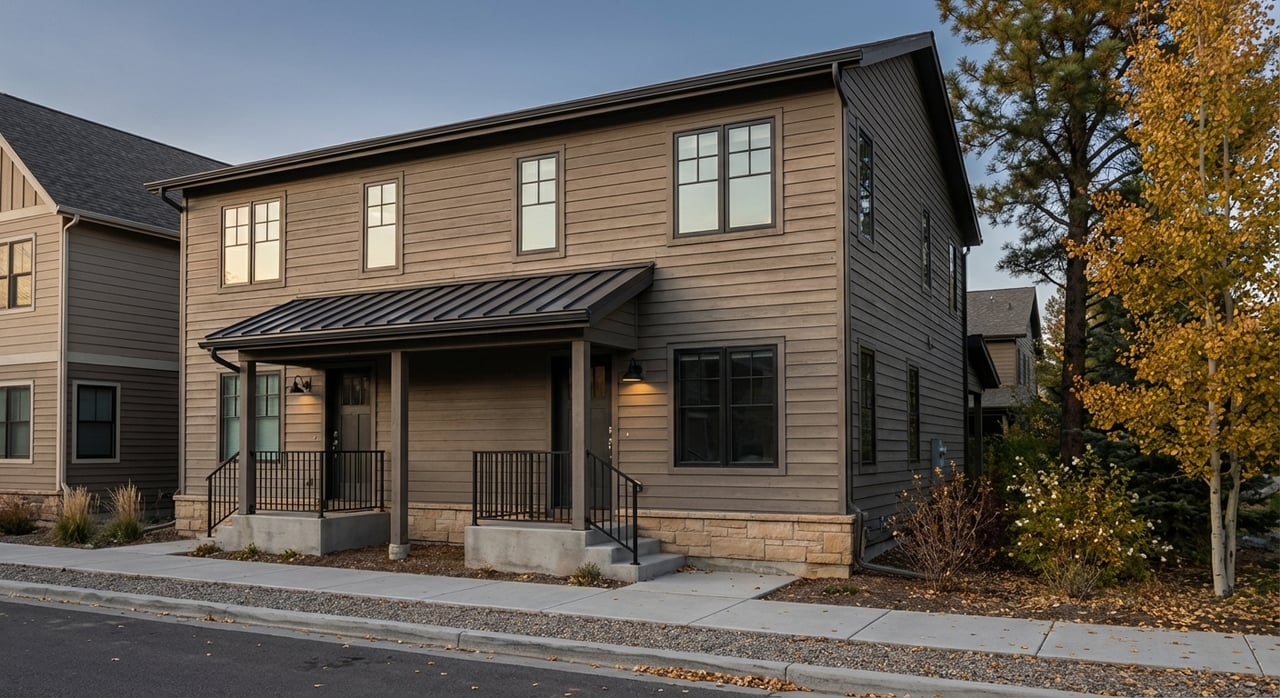
You will see some small historic houses on streets just off Main, though single-family homes are less common right on Main Street itself. If you want a yard and more space, you will likely look just outside the core while keeping walkable access to downtown.
What to expect on pricing
Downtown Bozeman has seen strong demand and limited turnover. Competition for well-located condos and updated units can be brisk. Studio and one-bedroom condos may serve as entry points for buyers who want a downtown address, while larger condos and nearby single-family homes usually price higher. Parking, storage, and HOA details can influence value and financing, so review those carefully. If you are an investor, be aware that the city regulates short-term rentals and confirm current rules before you run numbers.
Getting around without the hassle
Walkability
Most daily needs are on foot in the downtown core. You can grab coffee, pick up essentials, drop by a service provider, and meet friends for dinner without starting your car. That walkable routine is a key reason many people choose Main Street living.
Transit and airport access
Local bus routes connect downtown with neighborhoods, Montana State University, and key shopping or medical areas. Many residents lean on transit or rideshares for occasional trips. Bozeman Yellowstone International Airport is the regional hub and is typically about a 20 to 25 minute drive from downtown depending on traffic and route.
Driving and parking
Main Street doubles as a state highway, so you can expect through traffic and seasonal tourist flow. Many residents still own cars. Parking downtown includes time-limited on-street spaces and public lots or garages. Rules, meter hours, and permits can change, so check the latest city parking information when you plan your routine.
Lifestyle perks and tradeoffs
Downtown concentrates many of Bozeman’s highlights:
- Restaurants, cafes, and breweries with a strong local food scene.
- Independent shops and specialty retailers.
- Arts and entertainment venues, galleries, and seasonal events.
- Banks, professional services, medical and dental offices.
- Grocery options near the core, with some larger stores a short drive away.
- Civic spaces, parks, and access points to Bozeman’s growing trail network.
Who downtown fits best
Downtown living is ideal if you value walkability, dining and nightlife, cultural events, and short commutes to downtown offices or MSU. Empty nesters often appreciate the low-maintenance lifestyle and proximity to services. Renters and younger professionals enjoy the convenience and energy.
What to consider
- Noise and activity: Expect more street life, especially on weekends and during visitor season.
- Parking and storage: On-site parking may be limited in certain buildings, and storage can be tight.
- Unit size: Condos and lofts often trade interior square footage for location.
- Cost: City-center convenience can carry a premium.
- Rules and permits: Short-term rentals, HOA rules, and historic considerations can affect how you use or renovate a property. Always confirm the latest city and building policies.
A sample day on Main Street
Start with a morning walk to your favorite coffee spot and a quick errand at a nearby shop. If you work from home, spend midday in a quiet corner of a local cafe or head back to your condo for calls. Break for lunch with a friend, pick up dry cleaning or a package, then take a short afternoon bike ride toward a nearby park or trail connection. In the evening, meet friends for dinner, catch a show or gallery opening, and walk home under the lights on Main.
Buying or renting smart downtown
Tips for buyers
- Define must-haves: parking, storage, views, outdoor space, or elevator access.
- Review HOA documents: budgets, reserves, rules, and any rental or remodel restrictions.
- Confirm parking: assigned spaces, guest policies, and oversized vehicle options.
- Check building specifics: age, major systems, and any planned assessments.
- Factor noise and activity: ask about unit orientation and window upgrades.
- Plan for competition: get pre-approved and be ready to act on the right fit.
- Understand local rules: confirm short-term rental and permitting policies.
Tips for renters and investors
- Renters: watch timing, as desirable units go quickly. Ask about lease terms, renewal options, and parking or storage.
- Investors: verify short-term rental rules, study HOA policies, and consider the demand profile for studios and one-bedrooms. A central location can support strong occupancy when aligned with current regulations.
Ready to explore Main Street living?
If downtown Bozeman sounds like your kind of everyday, you deserve a guide who knows each block and building. As a fifth-generation Montanan with a neighborhood-first approach, I help you weigh tradeoffs, compare housing types, and move with confidence. Whether you are buying, selling, or exploring options, let’s walk Main Street together and refine the right fit for your lifestyle. Connect with Tawnya Storm to Schedule a free consultation.
FAQs
Is Downtown Bozeman walkable?
- Yes. Many residents handle daily errands, dining, and services on foot, with transit and rideshares for occasional trips.
How far is the airport from downtown?
- Bozeman Yellowstone International Airport is typically about a 20 to 25 minute drive from downtown, depending on route and traffic.
Is downtown affordable for first-time buyers?
- Affordability varies by unit type and timing. Studio and one-bedroom condos can serve as an entry point, but inventory is often limited and competitive.
Do you need a car if you live downtown?
- Not necessarily. Many residents rely on walking and transit, though owning a car is still common. Consider parking and storage as part of your decision.
What should investors know about short-term rentals?
- The city regulates short-term rentals. Confirm current permitting, allowable unit types, and fees before purchasing or marketing a unit.
What housing types are common downtown?
- Condos and lofts in historic and new buildings, mid-rise and walk-up apartments, and some small single-family homes just off Main Street.
Is downtown safe at night?
- Downtown is active in the evenings and generally feels lively. As with any urban core, use common sense and review local data if safety is a key factor in your decision.