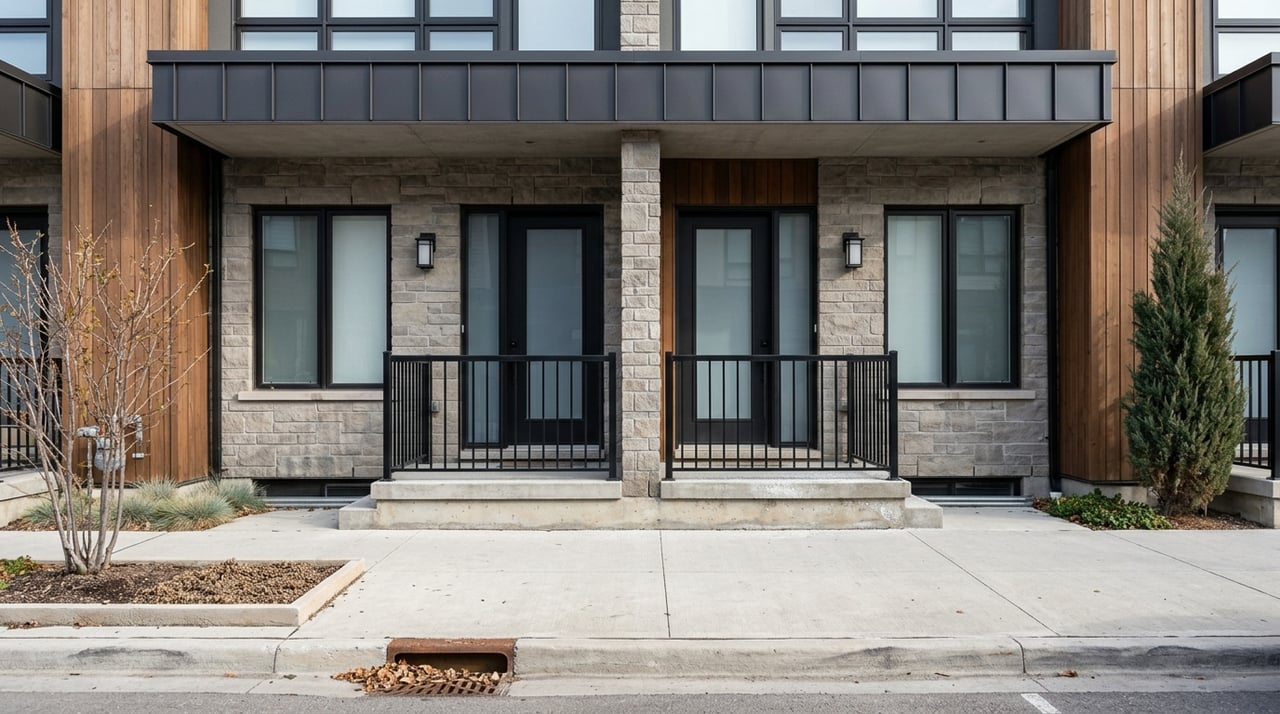
Wondering whether a downtown Bozeman condo or townhome is the better fit for your life? It is a smart question, especially in a walkable urban core where parking, shared maintenance, and block-by-block feel can matter just as much as square footage. If you want to buy with confidence, it helps to look past the label and focus on how each property actually works day to day. Let’s dive in.
Why downtown changes the decision
Downtown Bozeman is not just another neighborhood pattern with homes on quiet residential streets. In the city’s B-3 district, residential use supports a compact area built around business, government, cultural activity, and pedestrian-oriented design. That means many downtown properties trade private outdoor space for walkability, convenience, and easy access to the core.
Because of that setting, choosing between a condo and a townhome often comes down to ownership structure, parking, HOA responsibilities, and how you want your daily routine to feel. Two homes with similar size and price can live very differently once you factor in shared spaces, street activity, and winter logistics.
Condo vs townhome ownership
What a condo means in Montana
Under Montana law, a condominium means you own your individual unit while also sharing ownership in common elements. Those common elements can include land, roofs, hallways, corridors, parking areas, sidewalks, private roads, and central services. In plain terms, you are not only buying the interior of the home, but also a share of the property systems and spaces everyone uses together.
This matters because shared ownership usually comes with shared expenses. Condo dues may help pay for administration, maintenance, repair, or replacement of common elements, so the monthly cost is tied closely to what the association maintains.
What a townhome means in Montana
Montana defines a townhome or townhouse differently. In that arrangement, the owner holds separate title to the land beneath the unit, even if there are still common areas or shared facilities in the project.
For many buyers, that can feel more like traditional homeownership. You may still have HOA rules and dues, but the ownership structure is often closer to a fee-simple house than a condo.
Why the difference matters to you
If you want fewer exterior responsibilities, a condo may line up with your goals. If you want more direct control over the land beneath your home and a more house-like structure, a townhome may feel like the better fit.
Still, the legal label is only the starting point. In downtown Bozeman, the better choice is usually the property whose documents, parking setup, and maintenance obligations match your lifestyle.
Focus on HOA scope, not dues alone
One of the biggest mistakes buyers make is comparing HOA dues without comparing what those dues actually cover. In a condo project, common elements can include parking areas, private roads, sidewalks, and shared building systems, and Montana law requires bylaws to address maintenance and upkeep of those common elements.
That means one building may have higher dues because it covers more services and infrastructure. Another may have lower dues but leave more costs or responsibilities with the owner.
Documents to review before you decide
Before you get too far into a downtown condo or townhome, ask to review the key governing documents. For condominiums, the declaration and bylaws are especially important because Montana law requires them to address:
- Board structure
- Meeting procedures
- Maintenance and upkeep of common elements
- How common expenses are collected
- Restrictions on the use and maintenance of units and common elements
These are not just technical documents. They tell you how the property operates and what ownership will actually feel like.
Look at the association’s financial picture
A well-informed buyer should also ask for:
- The current HOA budget
- Reserve information
- Recent meeting minutes
- Records of repairs or planned projects
- Any history of special assessments or deferred maintenance
Montana law requires condominium managers to keep records of receipts and expenditures affecting common elements, and unit owners must be able to inspect those records at convenient weekday hours. That is a useful reminder that financial transparency matters.
Parking matters more downtown
In downtown Bozeman, parking can shape your quality of life more than you expect. The city lists two hours of free on-street parking, garage parking with the first two hours free and then hourly charges, plus monthly permits for downtown surface lots, the garage, and the garage basement.
If you have more than one vehicle, expect overnight guests, or want predictable winter parking, you should ask very specific questions. A great floor plan can lose its appeal quickly if parking is inconvenient every day.
Questions to ask about parking
When touring downtown condos and townhomes, ask:
- How many spaces are deeded or assigned?
- Is guest parking available?
- Are permits required for any nearby options?
- Is winter access reliable?
- Who handles snow removal for parking areas or shared access points?
These questions matter because the city also enforces long-stay and snow-related parking rules. Vehicles must be moved every 72 hours, and the city can ticket or tow vehicles that create snow hazards or block the right of way.
Think beyond the list price
Downtown buyers should budget for total carrying cost, not just purchase price. For condominium units, Montana tax law treats each unit as a separate parcel for assessment and taxation. At the same time, HOA dues remain part of the ongoing cost of ownership.
If a property does not include enough assigned parking, your monthly budget may also need to account for parking permits or garage use. That is why two homes with similar asking prices can have very different real monthly costs.
A simple cost comparison checklist
Before making an offer, compare:
- Mortgage payment estimate
- Property taxes
- HOA dues
- Parking costs if needed
- Expected maintenance responsibility
- Possible upcoming association projects
This bigger picture can help you avoid choosing a home that looks affordable on paper but feels tight once all the real costs show up.
Pay attention to the block itself
Downtown Bozeman is designed to be active, walkable, and pedestrian-oriented. In the B-3 core, residential uses exist alongside business and cultural activity, and city planning documents emphasize streetscapes, alleyways, pedestrian facilities, and public right-of-way improvements.
That means the feel of one downtown block may be very different from another. One unit may face a lively street. Another may back to an alley with regular activity. A third may feel quieter even within the same general area.
What to notice during a tour
When you visit a condo or townhome, pay attention to:
- Street-facing versus alley-facing orientation
- Nearby commercial activity
- Pedestrian traffic around the building
- Building entry and access patterns
- How the block feels during different times of day
This is especially important if you work from home, value quiet evenings, or want easy walkability to downtown destinations. The floor plan matters, but so does the way the surrounding block lives.
A practical touring checklist
If you want to compare downtown Bozeman condos and townhomes clearly, keep your questions simple and consistent from one property to the next.
Confirm the ownership type
Ask whether the property is legally a condominium or a townhome. In Montana, that distinction affects whether ownership is tied to common elements or includes separate title to the land beneath the unit.
Review the governing documents
Ask for the declaration, bylaws, and any project rules. Pay close attention to maintenance duties, use restrictions, and how common expenses are handled.
Check parking and winter logistics
Find out how parking works for owners and guests. Also ask how snow removal, blocked access, and winter vehicle needs are handled.
Evaluate HOA financial health
Request the budget, reserve details, and recent repair history. You want to understand not just current dues, but how well the property is being managed.
Ask how the block functions
Look beyond the unit itself and ask what is nearby on the same block. In downtown Bozeman, the surrounding street and alley environment can shape your daily experience in a big way.
Review use restrictions carefully
If you may rent the property, host guests often, or make future updates, read the rules carefully. Montana’s condominium bylaws framework specifically allows for restrictions on the use and maintenance of units and common elements, so those details are important.
How to choose the right fit
If you want shared maintenance and fewer exterior obligations, a downtown condo may be the more convenient choice. If you want a more house-like ownership structure with separate title to the land beneath the unit, a townhome may offer the feel you prefer.
The best answer is rarely about which property type is better in general. It is about which home fits how you live, park, budget, and move through downtown each day.
If you want help comparing downtown Bozeman condos and townhomes with a local, practical lens, Tawnya Storm offers neighborhood-focused guidance to help you sort through the details and choose with confidence.
FAQs
What is the difference between a condo and a townhome in Montana?
- In Montana, a condo usually means you own an individual unit plus a share of common elements, while a townhome means you hold separate title to the land beneath the unit, even if shared areas still exist.
Why do HOA documents matter for downtown Bozeman condos?
- HOA documents explain maintenance duties, common expenses, meeting procedures, and restrictions on unit and common-element use, which can directly affect your costs and daily ownership experience.
How important is parking for downtown Bozeman townhomes and condos?
- Parking is a major factor downtown because assigned spaces, guest parking, permit options, and winter rules can all affect convenience and day-to-day usability.
What should you compare besides list price for a downtown Bozeman condo?
- You should compare property taxes, HOA dues, parking costs, maintenance responsibility, and any signs of future repair or assessment risk.
What should you notice when touring downtown Bozeman properties?
- Pay attention to unit orientation, nearby street or alley activity, pedestrian traffic, parking access, and how the block feels during the times of day you are most likely to use it.